Home » Gadgets » OLED Edge Rot Threatens Displays With Unpreventable Panel
OLED Edge Rot Threatens Displays With Unpreventable Panel
✍️ By Brilliant Paul Babu, Editor • 🕒 November 22, 2026 How-To
An unexpected display defect known as edge rot is destroying OLED television panels just years after purchase, leaving owners with few options.
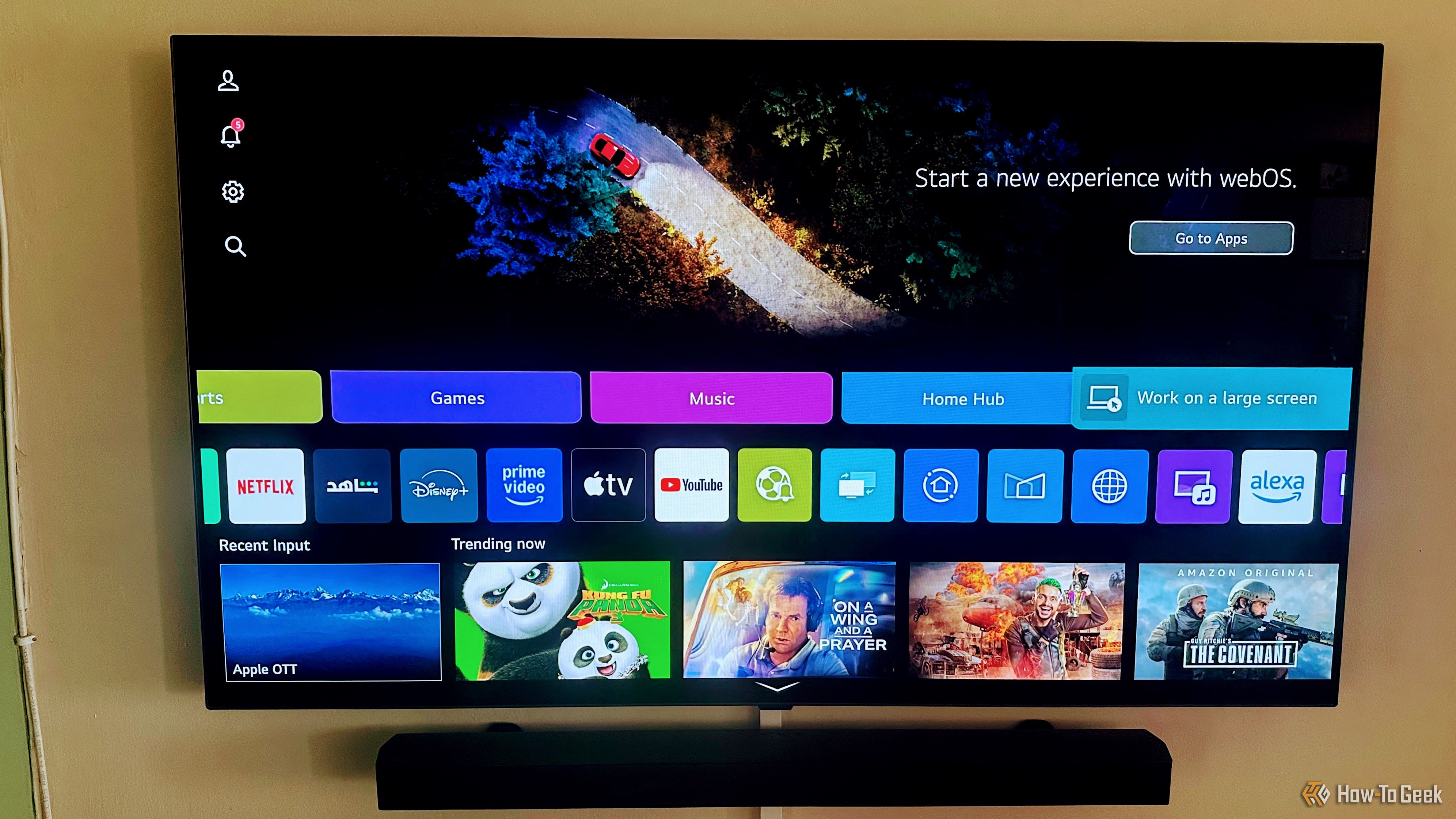
Image: Howtogeek
Understanding the Panel Failure Known as Edge Rot
Wavy patterns of dead pixels and display defects appearing along the border of an OLED screen signify a troubling phenomenon called edge rot. Factory contamination or a failure of the panel seal likely triggers this degradation, letting moisture and air creep inside to ruin the pixels permanently. Because this deterioration progresses over time invisibly, many households fail to notice the creeping damage until it becomes glaringly obvious from normal seating positions. Investigations by RTINGS.com revealed that 14 out of 16 WOLED models tested from 2020 through 2023 suffered from this exact problem, showing anything from tiny unnoticeable flaws to severe degradation. Industry contacts suggest manufacturers improved later production methods, though newer sets remain theoretically vulnerable to the same issue.
Living With a Degraded Display and Practical Workarounds
Owners stuck with a rotting screen find themselves powerless to stop the progression through user habits or maintenance routines. Usage frequency plays no role in preventing the chemical intrusion since structural seal breakdown occurs independently of screen time. Fortunately, standard 16:9 widescreen video content hides the top border damage entirely behind black letterbox bars during movies and television broadcasts. PlayStation 5 video games make the upper ingress visible, but gameplay functionality remains entirely intact despite the visual blemish. Future repurposing strategies could even turn the troubled hardware into an ultra-wide monitor if the damage spreads further down the display area.
The Broader Impact on Consumer Electronics Resilience
Displays that consumers expect to last between five and ten years are instead hitting the trash heap much earlier due to unexpected hardware faults. The frustrating realization that an expensive television investment can fail prematurely through no fault of the owner highlights persistent quality control hurdles in modern consumer electronics manufacturing. As awareness surrounding panel sealing failures grows among buyers, purchasing decisions will likely shift toward retailers offering robust extended protection plans. Until manufacturing processes guarantee absolute hermetic sealing, consumers face ongoing risks of encountering progressive pixel degradation across vulnerable legacy models.
Key Points
- OLED edge rot causes dead pixels and wavy defect patterns along the edges of television displays.
- Investigations show that 14 out of 16 tested WOLED models from 2020 to 2023 exhibited edge rot.
- There is nothing users can do to prevent edge rot because it stems from manufacturing seal failures.
Frequently Asked Questions
What causes OLED edge rot?
RTINGS.com suggests edge rot is caused by factory contamination or a failure of the seal on the affected edge, which allows air and moisture to enter and damage pixels.
Can OLED edge rot be prevented?
Unlike burn-in, there is nothing users can do to prevent edge rot because it stems from manufacturing encapsulation issues.
More Tech Updates
- More Tech Tips How To news and updates
- Latest AI news
- Android tips and news
- iPhone and iOS updates
- Cybersecurity alerts
- Tech Updates Daily — home
Source: Howtogeek — Read the full original report at the source.
Disclaimer: This is an original article written for information purposes only, based on publicly available reports. All rights to the original report belong to its publisher. If you are a rights holder and want any content reviewed/removed, please see our DMCA / Copyright page — we act within 24-48 hours.