Home » Gadgets » Strategic Considerations Before Purchasing New Power Tools
Strategic Considerations Before Purchasing New Power ToolsLatest technology news and analysis by Tech Updates Daily
✍️ By Brilliant Paul Babu, Editor • 🕒 November 27, 2026 DealsHow-To
Making informed decisions when buying power tools helps avoid unnecessary expenses and storage clutter. By evaluating specific needs and safety requirements, you can ensure each purchase serves a practical purpose.
Evaluating the Necessity of New Equipment
Many people fall into the trap of acquiring tools they rarely use, leading to cluttered workshops and wasted money. Before committing to a purchase, it is vital to ask if the tool can be borrowed, rented, or if a professional can be hired to perform the task instead. This simple evaluation prevents the accumulation of gadgets that serve no long-term purpose. Reflecting on past mistakes, such as buying a tool for a single project that ends up taking up space, is a helpful exercise. If you find yourself wanting a tool simply for the sake of having it, you might be dealing with a form of gear acquisition syndrome. By pausing to consider if the item is truly essential, you can avoid unnecessary financial strain and keep your workshop organized. Always prioritize utility over the desire to own the latest equipment, as this mindset shift leads to more responsible and effective purchasing habits for hobbyists and homeowners alike.
Matching Tools to Project Requirements
Not every tool is designed for every user, and understanding the scale of your work is crucial. A contractor requires different equipment than a hobbyist building instruments or performing basic home maintenance. Buying a hedge trimmer when you have no hedges, for instance, is a clear sign of a poor purchasing decision. When selecting a drill or a power saw, consider the specific nature of the tasks you perform most frequently. It is helpful to assess whether a tool matches the actual demands of your projects rather than just the potential use cases. By focusing on your specific needs, you avoid paying for features or power levels that exceed your requirements. This targeted approach ensures that your investment provides genuine value and utility for the work you actually do, rather than sitting idle on a shelf because it was not the right fit for your particular hobby or maintenance needs.
Choosing Between Corded and Battery Power
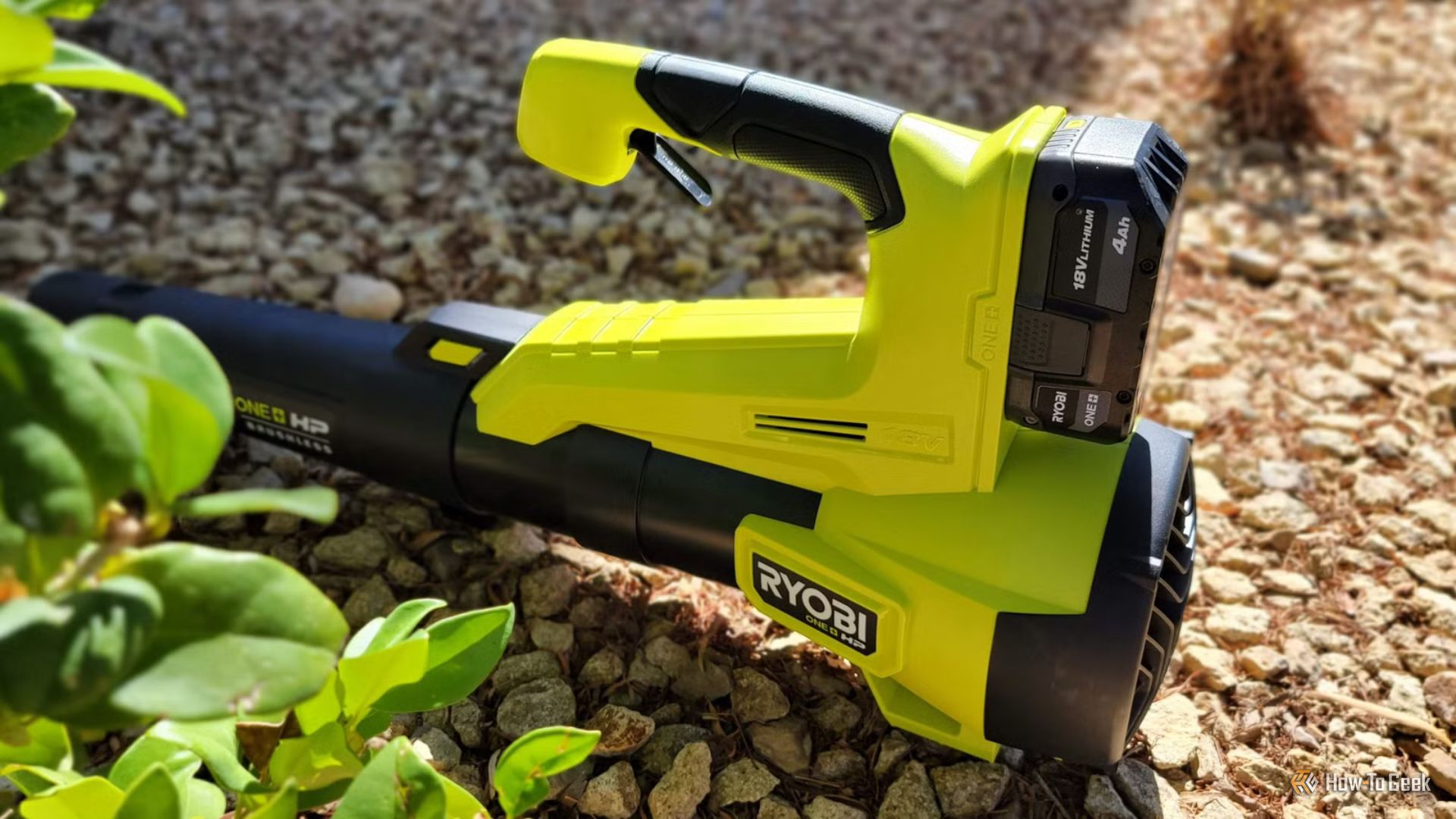
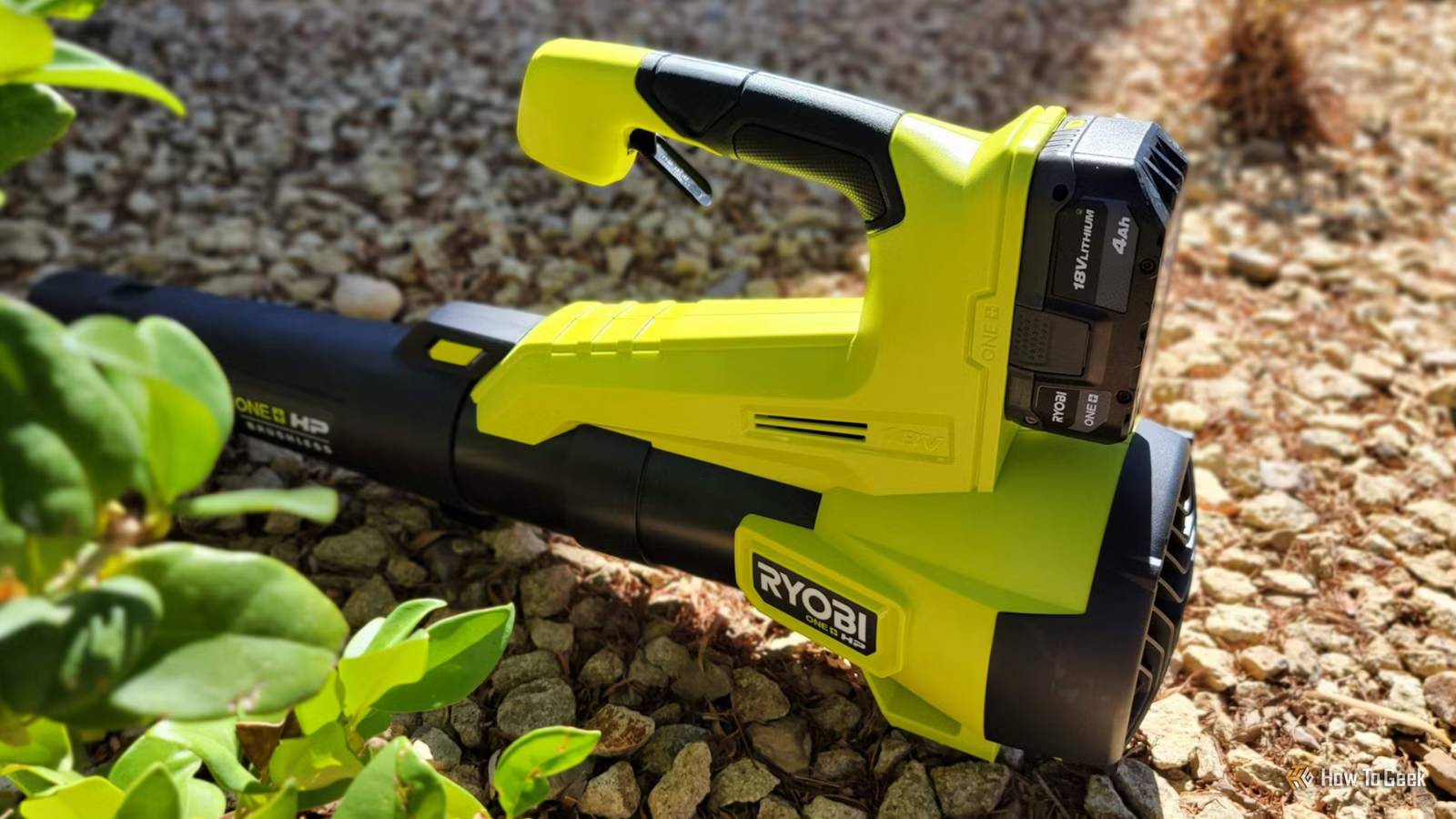
Deciding between corded and battery-powered tools involves more than just comparing performance. If you are already invested in an ecosystem like Ryobi ONE+ 18V, sticking with that brand can simplify your workflow and battery management. However, battery-powered tools come with their own set of responsibilities, including the need for proper storage and ensuring you have enough charged batteries to complete your tasks. Corded tools, while tethered to a power source, eliminate these battery-related concerns but may limit your mobility. Carefully weighing these factors helps you determine which power source aligns best with your existing setup and future projects. Do not ignore the logistical requirements of maintaining a fleet of batteries, as this is a significant part of the overall ownership experience. By being specific about your power preferences, you can streamline your tool collection and ensure that your equipment is always ready for use when you need it.

Calculating the Long-Term Cost of Ownership
The purchase price of a tool is only the beginning of your financial commitment. Every power tool requires ongoing maintenance and the eventual replacement of consumable parts. Items like grease, sandpaper, drill bits, and blades add up over time, and failing to account for these costs can lead to budget issues. Before finalizing a purchase, research what the tool needs to stay in good working order and how much those replacement components cost. Understanding these expenses allows you to make a more accurate assessment of whether you can afford the tool in the long run. If the maintenance costs seem excessive or if the tool requires frequent, expensive replacements, it might be better to reconsider the purchase. Being proactive about these hidden costs ensures that your tools remain functional and reliable throughout their lifespan without causing unexpected strain on your finances or your project timelines.
Prioritizing Safety and Operational Skill
Safety must be the primary consideration whenever you introduce new power tools into your workspace. Before buying, ask yourself if you possess the correct protective gear and if you have the necessary skills to operate the tool without risk. If you cannot use the tool safely, it is often better to hire a professional to handle the work. You should also verify that your workshop has adequate ventilation, sufficient storage space, and the necessary power supply to run the equipment safely. These questions are not just suggestions; they are essential guidelines for protecting yourself and your home. By honestly assessing your capabilities and your environment, you can avoid accidents and ensure that your tool collection remains a source of productivity rather than a safety hazard.
Implementing a Cooling-Off Period
Impulse buying is a common challenge for many hobbyists, but it can be mitigated by simply waiting. Giving yourself a few days or even a week to think about a potential tool purchase is an effective way to separate genuine need from fleeting desire. During this time, you can reflect on whether you will actually use the tool or if it will simply become another piece of equipment taking up space. If you find that your initial enthusiasm for the tool fades after a few days, that is a strong indicator that you should skip the purchase. This waiting period acts as a final check on your decision-making process, ensuring that you only spend money on items that will provide real, lasting value. By taking your time and carefully weighing all the factors, including budget, space, and safety, you can build a collection of tools that truly supports your projects and hobbies.
Specifications
| Battery ecosystem | Ryobi ONE+ 18V |
Check The Latest Price
As an Amazon Associate, Tech Updates Daily earns from qualifying purchases made through links on this page, at no extra cost to you. Prices and availability change quickly - the retailer's page shows the final price.
Key Points
- Always check if a tool can be borrowed or rented before deciding to purchase it.
- Assess whether a tool matches the specific scale and type of work you perform.
- Factor in the ongoing costs of replacement parts like blades and sandpaper when calculating ownership expenses.
- Prioritize safety by ensuring you have the right protective gear and a suitable environment for the tool.
Frequently Asked Questions
Why should I consider renting a tool instead of buying it?
Renting or borrowing tools is a smart alternative for items you only need once or for short-term projects. This prevents you from overspending on gadgets that will eventually just take up valuable space in your workshop.
How do I decide between corded and battery-powered tools?
Consider whether you are already invested in a specific battery ecosystem, such as Ryobi ONE+ 18V. Battery tools offer convenience but require additional planning for storage and ensuring you have enough power cells on hand.
What maintenance costs should I anticipate for power tools?
You must account for the ongoing expense of replacement parts like blades, drill bits, sandpaper, and grease. Researching these costs beforehand helps you understand the total long-term price of owning the equipment.
More Tech Updates
- More Tech Tips How To news and updates
- Latest AI news
- Android tips and news
- iPhone and iOS updates
- Cybersecurity alerts
- Tech Updates Daily — home
Source: How-To Geek — Read the full original report at the source.
Disclaimer: This is an original article written for information purposes only, based on publicly available reports. All rights to the original report belong to its publisher. If you are a rights holder and want any content reviewed/removed, please see our DMCA / Copyright page — we act within 24-48 hours.